Source anti theft polyester bicycle chain lock for Bike, Commute, and Storage
Find 30 verified options for an anti theft polyester bicycle chain lock designed for bike security, daily commute protection, and long-term storage needs. Buyers can compare specifications like length, core type, and material to select the right lock for their requirements.
Key considerations
Products List






Comprehensive Sourcing Guide
Strategic Sourcing Guide for Anti-Theft Polyester Bicycle Chain Locks
The global market for bicycle security hardware has expanded significantly as urban cycling infrastructure grows and theft rates remain a persistent concern for commuters and recreational riders. Buyers seeking an anti-theft polyester bicycle chain lock must navigate a complex landscape of material science, mechanical engineering, and supply chain logistics. The specific product category identified involves a hybrid construction where the locking mechanism relies on high-strength steel, while the protective outer layer utilizes polyester fabric. This combination is designed to mitigate the risks of cutting tools and environmental degradation. This guide provides a disciplined framework for evaluating suppliers, verifying technical specifications, and ensuring long-term procurement success based on observed market data and established industry standards.
Technical Specifications and Material Composition
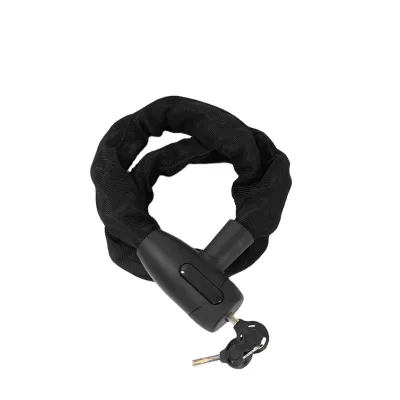
Understanding the physical attributes of the product is the first step in any B2B procurement process. The core structural element of the chain lock is steel, a material selected for its tensile strength and resistance to shear forces. However, the steel core is often exposed to the elements, necessitating a protective covering. In the observed product range, the outer layer is frequently described as a polyester fabric cover. This textile component serves a dual purpose: it protects the chain from rust and corrosion while providing a softer surface that prevents damage to the bicycle frame during transport or storage.
The locking mechanism itself varies across different models within this category. Buyers will encounter variations in the lock core type, which directly influences security levels. Observed data indicates the presence of copper cores, zinc alloy cores, and zinc alloy lock bodies. The choice of core material affects the durability of the keyway and the resistance to drilling attacks. For instance, a copper core may offer different wear characteristics compared to a zinc alloy body. Furthermore, the theft-proof performance is a critical metric; some models are rated with specific classifications such as "Ultra B Class," indicating a higher resistance to professional theft tools compared to standard mechanical locks.
The dimensions of the chain are equally vital for functional utility. The standard lengths observed in the market range from approximately 110cm to 120cm, with widths varying between 4.5cm and specific metric measurements like 3.5mm or 5mm depending on the model. These dimensions dictate the flexibility of the lock and the types of objects it can secure. A chain that is too short may not reach a fixed anchor point, while one that is too long may be cumbersome to carry. The packaging standards also vary, with options including bound cards, plastic poly bags within standard cartons, or simple carton packaging. These details must be verified against the specific requirements of the end-user, whether for retail display or bulk distribution.
Compliance, Certification, and Security Standards
In the realm of bicycle security, compliance is not merely a regulatory checkbox but a fundamental indicator of product reliability. While specific certification bodies may vary by region, buyers must verify that the product meets recognized security standards. The market data references specific standard codes, such as "3.5x600mm" or "5X1000mm," which likely refer to dimensional tolerances or specific testing protocols rather than general safety certifications. However, the presence of an "Ultra B Class" theft-proof performance rating suggests adherence to a defined security grading system.
Buyers should request documentation that confirms the lock core's resistance to picking, drilling, and cutting. The distinction between a mechanical car lock type and a bicycle-specific lock is crucial; the latter must withstand the specific tools used against bicycles, such as bolt cutters and angle grinders. Although the supplied data does not list specific third-party test results, the claim of "Protect Bike Safety" implies a functional intent that must be validated through independent testing.
Furthermore, the origin of the product plays a role in compliance. Products originating from regions like Wenzhou, China, or Hebei, China, are subject to local manufacturing regulations. Buyers must ensure that the supplier can provide proof of origin and that the manufacturing process adheres to international quality management systems. The "OEM: Yes" attribute indicates that the supplier is capable of custom manufacturing, which often requires adherence to specific client-defined standards and certifications. It is imperative to verify that any customizations do not compromise the structural integrity or security rating of the original design.
Cost Drivers and Pricing Dynamics
The pricing of anti-theft polyester bicycle chain locks is influenced by a confluence of factors, including raw material costs, manufacturing complexity, and order volume. The observed price range in the market spans from $0.44 to $30.00 USD. This wide disparity suggests significant variation in product quality, security rating, and feature sets. The lower end of the spectrum likely corresponds to basic models with minimal security features, while the higher end represents heavy-duty locks with advanced locking mechanisms and superior materials.
Material costs are a primary driver. Steel prices fluctuate based on global commodity markets, directly impacting the cost of the chain. Similarly, the type of metal used in the lock core—whether copper, zinc alloy, or a composite—affects the unit cost. Polyester fabric quality also varies; high-density, weather-resistant polyester commands a higher price than standard textile coverings. The complexity of the locking mechanism is another significant cost factor. A simple mechanical lock is cheaper to produce than a high-security core with anti-pick features.
Order volume, represented by the Minimum Order Quantity (MOQ), is a critical variable in pricing. The observed MOQ range spans from 20 to 3,000 units. Buyers purchasing at the lower end of this range may face higher per-unit costs due to the fixed costs of production setup. Conversely, bulk orders often benefit from economies of scale, reducing the unit price. Buyers must balance their budget constraints with their volume requirements. It is essential to negotiate based on the total cost of ownership, which includes shipping, packaging, and potential customs duties, rather than focusing solely on the unit price.
Typical Applications and Use Cases
The primary application of these locks is to guard against theft for bicycles, a function explicitly stated in the product attributes. However, the versatility of the design allows for broader use cases. The "Suitable for: Bike" and "Suitable for: Kinds Bike" attributes indicate that these locks are designed to accommodate various bicycle types, from standard road bikes to mountain bikes and folding bicycles. The length of the chain determines the scope of application; a 110cm to 120cm chain is ideal for securing a bike to a fixed object like a rack or a pole in an urban environment.
Beyond personal bicycles, these locks may be utilized in commercial settings such as bike rental shops, shared mobility stations, or public parking facilities. The "Protect Bike Safety" function is particularly relevant for fleet operators who need to secure multiple assets efficiently. The polyester cover is advantageous in these settings as it prevents scratching of the bicycle frames, which is a common concern in high-traffic rental environments.
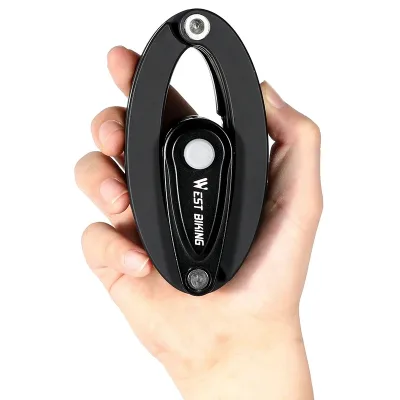
Additionally, the "Key Chain Bike Lock" designation suggests a specific use case where portability is key. These smaller, lighter units (weighing approximately 100g) are suitable for short-term stops or as a secondary lock to supplement a primary heavy-duty lock. The "Top Hook Lock" type mentioned in some specifications points to applications where the lock needs to be attached to a steering wheel or a specific frame component, offering a versatile solution for different security needs.
Supplier Evaluation and Sourcing Strategy
Selecting the right supplier is paramount to ensuring product quality and supply chain stability. The market data indicates suppliers located in Wenzhou and Hebei, China. These regions are known for their manufacturing capabilities in hardware and metal products. Buyers should evaluate suppliers based on their ability to provide customization, as indicated by the "Customization: Available" and "OEM: Yes" attributes. A supplier capable of OEM services can tailor the product to specific branding and functional requirements, adding value to the procurement.
When evaluating potential partners, buyers should assess their production capacity and lead times. The ability to meet the MOQ requirements, which range from 20 to 3,000 units, is a basic indicator of supplier flexibility. Buyers must also verify the supplier's quality control processes. Given the wide price range, there is a risk of variability in quality. A robust supplier will have a documented quality assurance system that ensures consistency across batches.
Communication and transparency are also critical. Suppliers should be willing to provide detailed product specifications, including the exact material composition, dimensions, and security ratings. The presence of specific model numbers like SL790, SL7790B, and HC-PJ-0089 suggests a structured product line, which can simplify the selection process. Buyers should request samples to verify the physical attributes, such as the texture of the polyester cover and the smoothness of the locking mechanism, before committing to a large order.
Quality Control and Long-Term Procurement Considerations
Implementing a rigorous quality control (QC) protocol is essential for mitigating risks associated with bulk procurement. Buyers should establish clear acceptance criteria based on the observed specifications. For instance, the chain length must fall within the stated range of 110cm to 120cm, and the width must match the specified dimensions. The lock core must operate smoothly without jamming, and the key should fit precisely. The polyester cover should be securely attached and resistant to tearing.
Long-term procurement considerations involve building a sustainable relationship with the supplier. This includes negotiating favorable terms for repeat orders, ensuring consistent supply, and maintaining open lines of communication regarding any changes in product specifications or market conditions. Buyers should also consider the environmental impact of the materials used, particularly the steel and polyester components, and inquire about the supplier's sustainability practices.
Finally, buyers must plan for the lifecycle of the product. A high-quality lock should provide years of reliable service. Regular maintenance and inspection of the locks in the field can extend their lifespan. By focusing on quality, compliance, and supplier reliability, buyers can secure a steady supply of effective anti-theft polyester bicycle chain locks that meet the diverse needs of the market. The strategic approach outlined here ensures that procurement decisions are data-driven and aligned with the long-term goals of the organization.
FAQs
What materials are used for the chain and lock core?
The chain core is made of steel, while the outer layer features a polyester fabric cover. Lock cores vary by model, with observed options including copper, zinc alloy, and zinc alloy lock bodies to ensure durability and theft resistance.
Which lock core types are available for these bicycle locks?
Available lock core types include copper, zinc alloy, and zinc alloy lock bodies. Some models also feature European style cores, offering different security profiles and mechanical characteristics depending on the specific product model selected.
How long are the standard chain lengths for these locks?
Standard chain lengths observed in the product range are approximately 110cm and 120cm. Specific dimensions vary by model, with some specifications noting widths of 4.5cm to accommodate different bicycle types and security needs.
Can these locks be customized for specific branding or needs?
Yes, customization is available for these products. Suppliers also offer OEM services, allowing buyers to request specific modifications to the product model, packaging, or branding to meet distinct procurement requirements and market demands.
What is the typical price range for anti theft polyester bicycle chain locks?
The observed price range in the market spans from 0.44 to 30 USD. This variation depends on factors such as material quality, security ratings like Ultra B Class, and the specific model specifications selected by the buyer.
Where are these bicycle locks typically manufactured?
Products originate from manufacturing hubs in Wenzhou and Hebei, China. These locations are known for producing hardware and metal products, ensuring a steady supply of locks with specific dimensions and material compositions for global distribution.